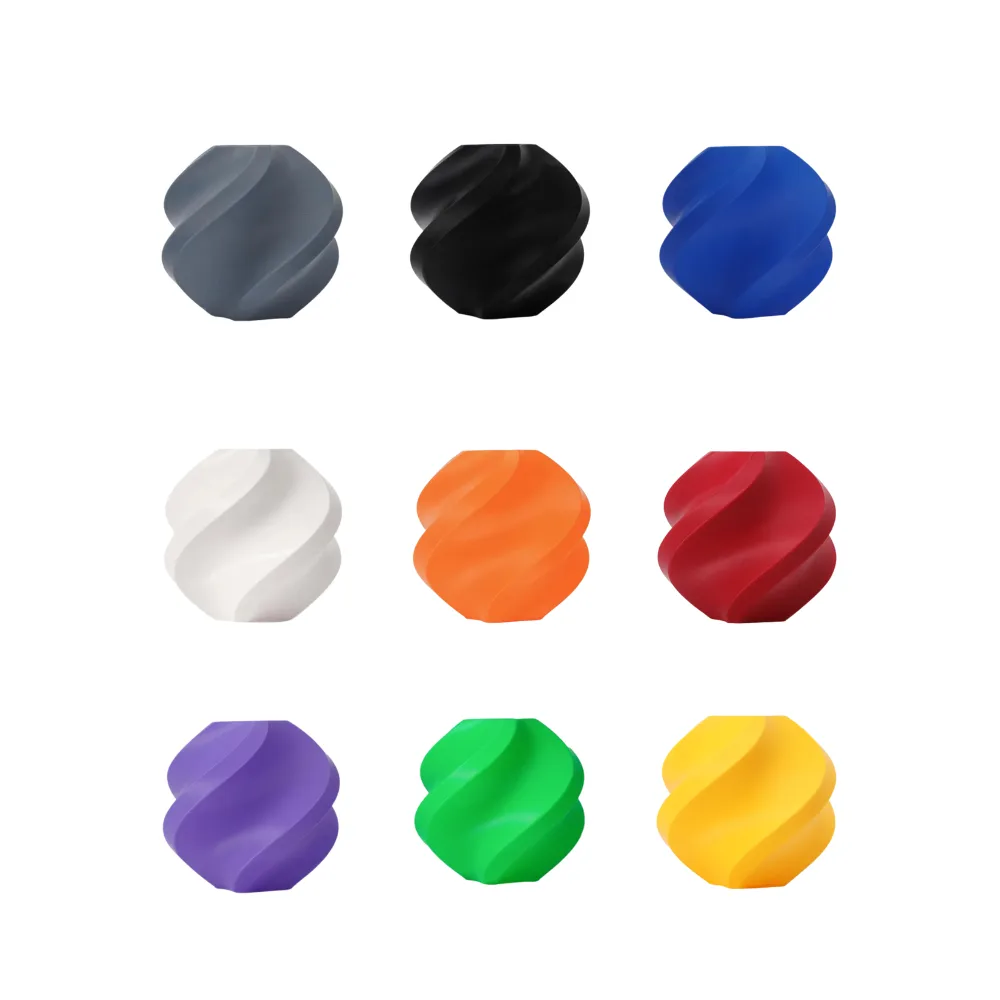

PET · 1.75 mm · 0.5 kg
Opisyal na partner ng 3D StudioBambu Lab Support For PA/PET Filament — PET filament, 1.75 mm on 0.5 kg spools, ฿1,850 inc VAT, in stock in Thailand.
PET is a tough, chemically resistant polyester that prints strong, dimensionally stable parts. Good for mechanical components and parts that need to last.
Like PETG it takes up moisture — dry the spool before printing if it has been stored a while.
Any FDM printer that takes 1.75 mm filament, which is the standard size on most machines. The right nozzle and bed temperatures depend on your printer — start from the figures Bambu Lab prints on the spool and adjust in 5 °C steps until surface finish and layer adhesion are both good.
Order online for nationwide delivery, or collect at True Digital Park, Seacon Bangkae or Central Sriracha. If you would rather not print it yourself, send us the file and our 3D printing service will run it for you.
Any FDM printer that takes 1.75 mm filament.
It depends on your printer and speed. Start from the figures Bambu Lab prints on the spool and adjust in 5 °C steps until surface finish and layer adhesion are both good.
Like PETG it takes up moisture — dry the spool before printing if it has been stored a while.
Yes, at True Digital Park, Seacon Bangkae or Central Sriracha, or we deliver nationwide.
PETG is tougher and more heat-resistant than PLA (usable to roughly 75–80 °C), with better chemical and moisture resistance, and it still prints on an open frame. The trade-offs are a glossier finish and more stringing between parts.
| Nozzle temperature | 230–250 °C |
|---|---|
| Bed temperature | 70–85 °C |
| Enclosure | Not needed |
| Drying | If it strings: 60–65 °C for 4–6 h |
Typical ranges for this material; the spool label and the printer profile are the authority.
Good for functional parts, enclosures, brackets, containers, anything that gets wet and short-term outdoor use. It is the material most makers reach for once PLA is not strong enough.
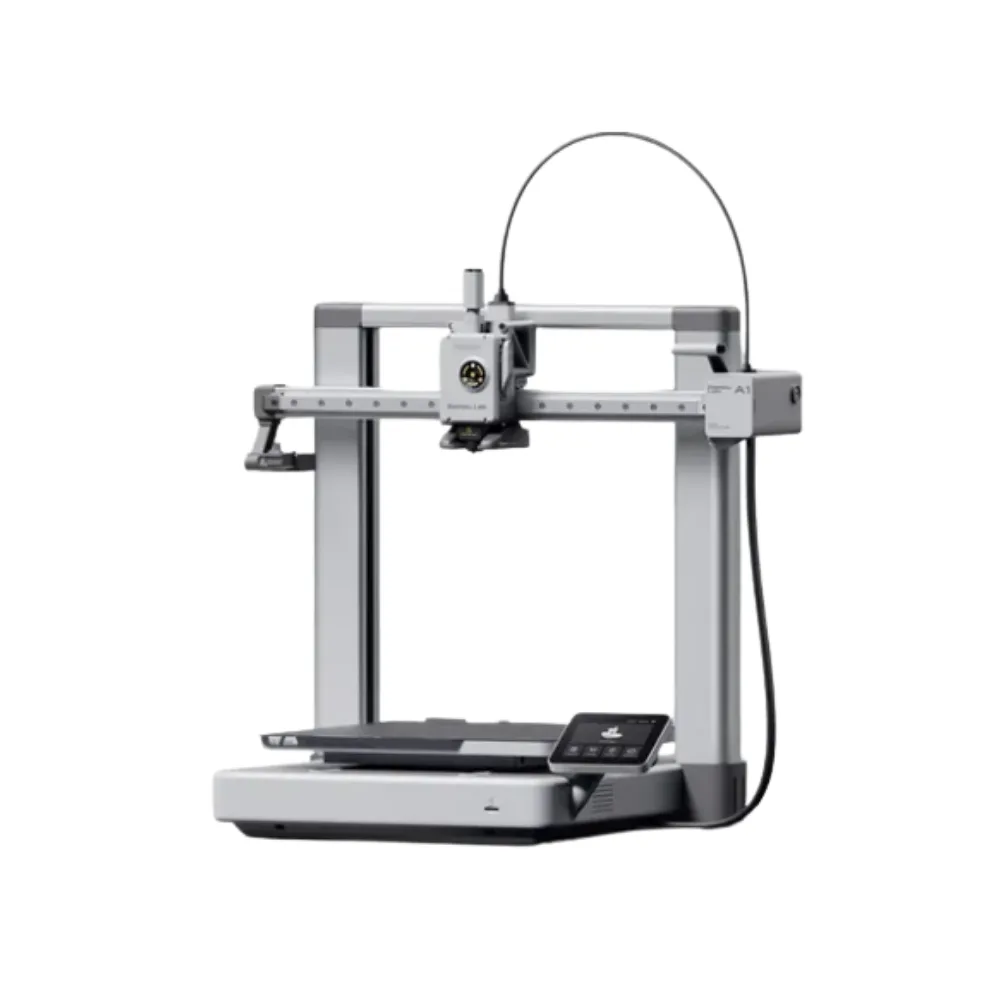
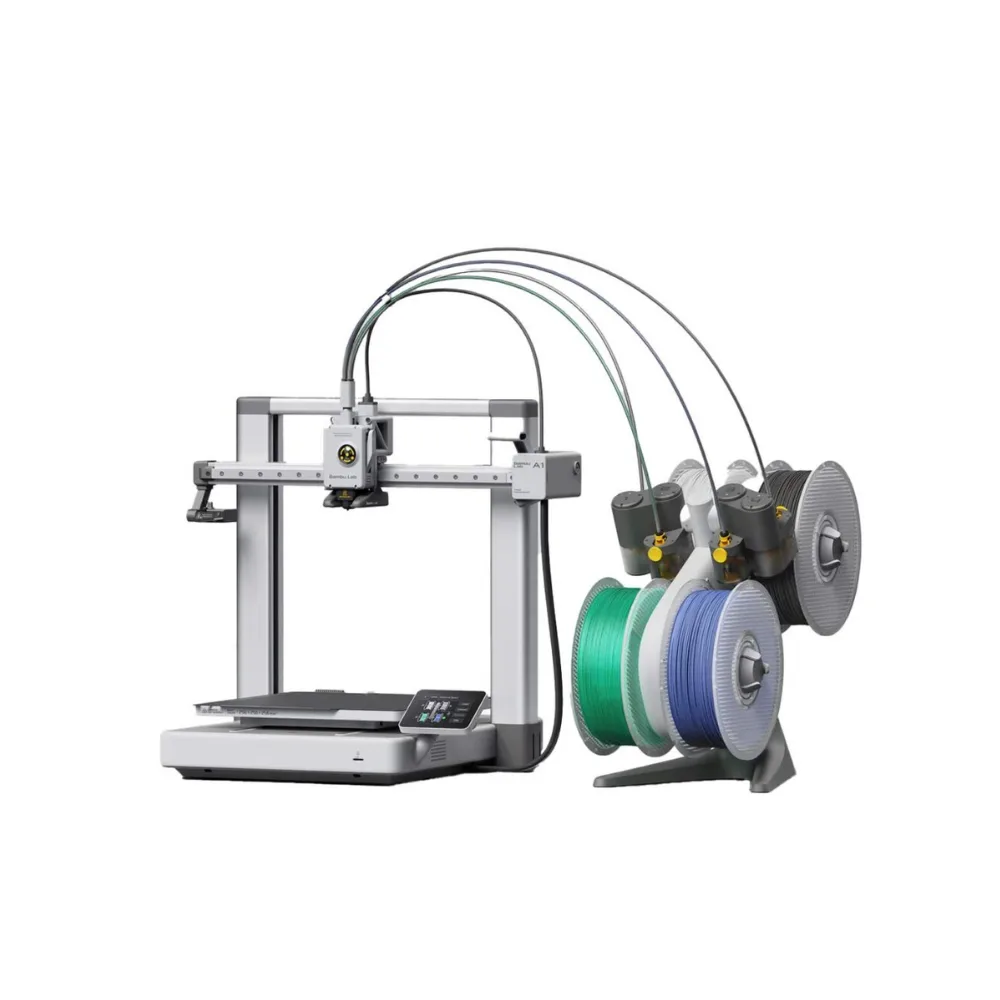
Prints on open-frame machines such as the Bambu Lab A1 mini / A1 and Creality SPARKX i7
PETG absorbs moisture faster than PLA. If stringing or rough surfaces appear, dry it at 60–65 °C for four to six hours and reduce part cooling so layers bond.