A complete breakdown of how selective laser sintering works, its key advantages, and why the Formlabs Fuse Series makes SLS accessible to more businesses.
What Is Selective Laser Sintering (SLS)?
Selective laser sintering is an additive manufacturing technology in which a high-powered laser fuses fine polymer powder particles into solid, functional parts layer by layer. Unlike many other 3D printing methods, SLS requires no dedicated support structures — unfused powder surrounds and supports the part throughout the build.
How the Process Works
During a print, a thin layer of powder is spread across a heated build platform. The laser then traces each cross-section of the 3D model, raising the powder temperature to just at or below its melting point to bond particles together. The platform descends by one layer — typically 50 to 200 microns — and the cycle repeats until the part is complete.
Key Advantages of SLS
- No support structures needed — unfused powder does the job, enabling complex geometries.
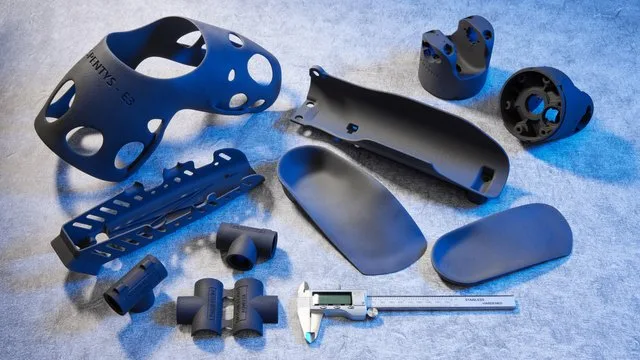
- Strong, functional parts — well-suited for prototyping through small-batch production.
- Established materials — Nylon 12 Powder is a widely used, proven option for a broad range of applications.
The Formlabs Fuse Series
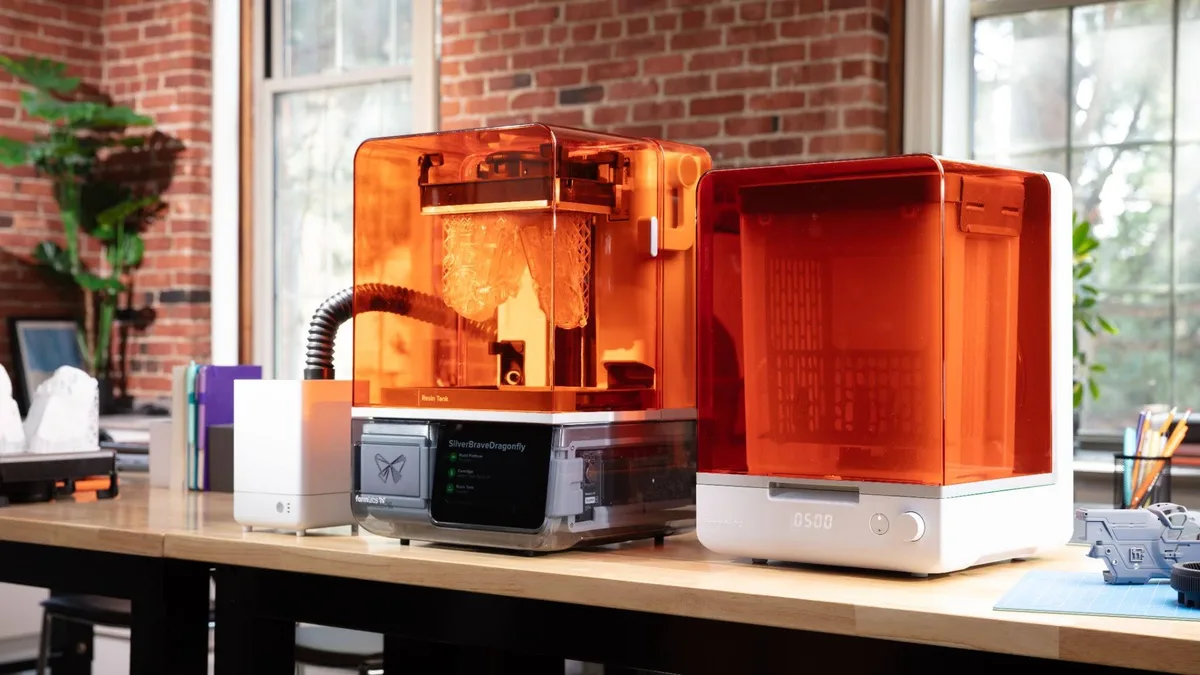
Formlabs designed the Fuse 1+ and Fuse X1 to bring industrial-grade SLS capability to a wider range of businesses. Recent improvements in hardware, materials, and software have lowered the barrier to entry for companies that previously could not access SLS technology.
When to Choose SLS
SLS is an excellent fit for engineers and manufacturers who need durable end-use parts, rapid prototyping, or low-volume bridge manufacturing — especially when part geometry is too complex for traditional tooling or other additive methods.