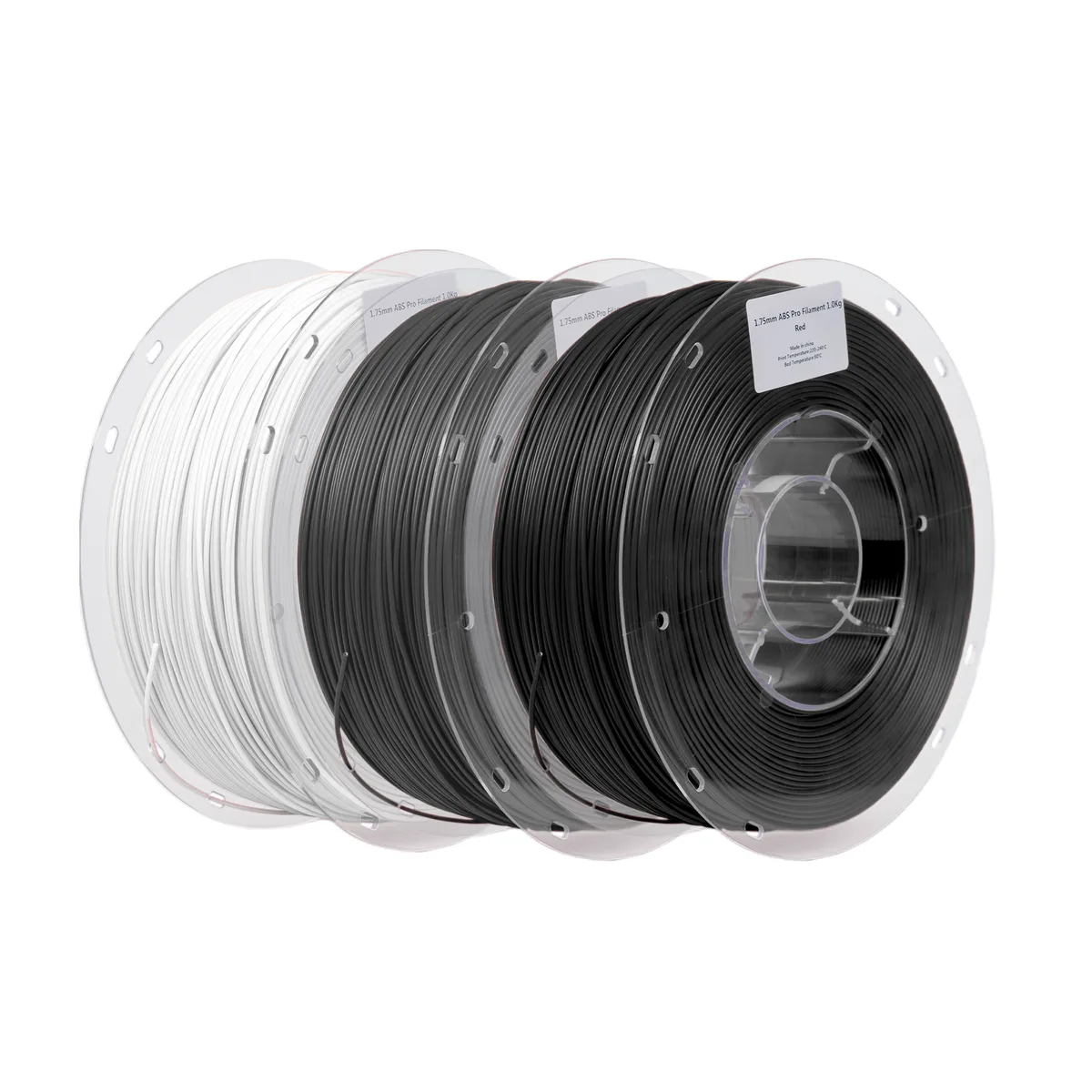
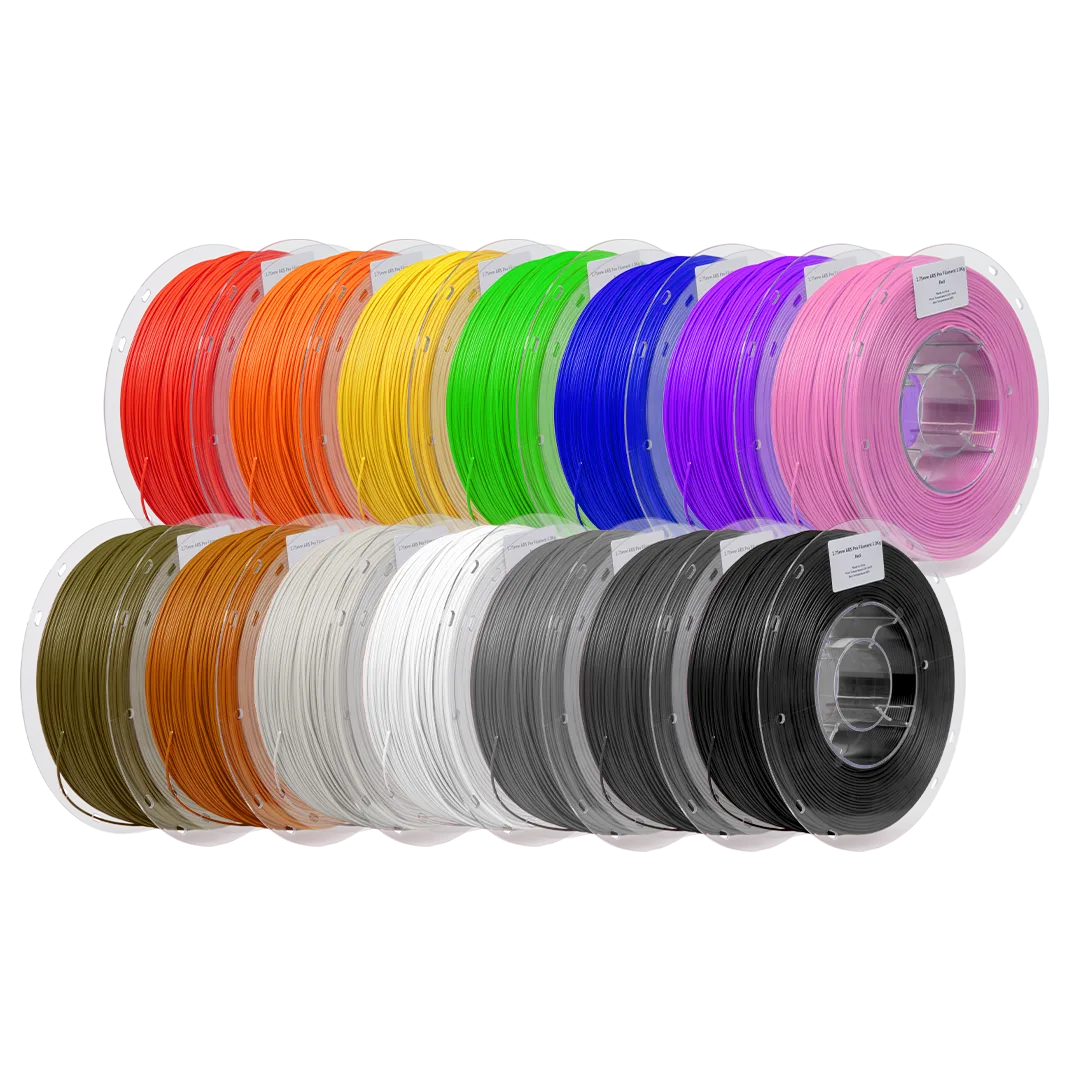
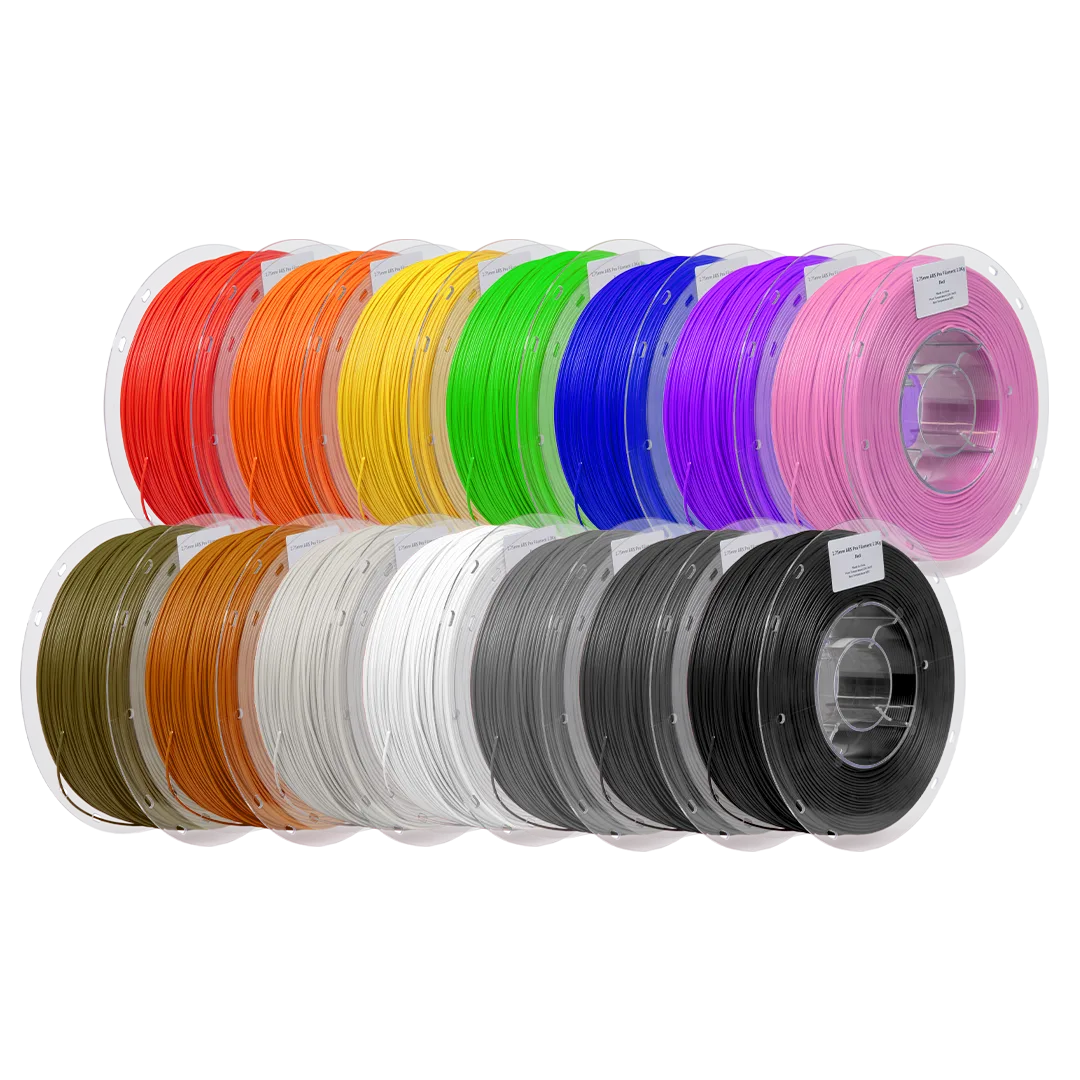
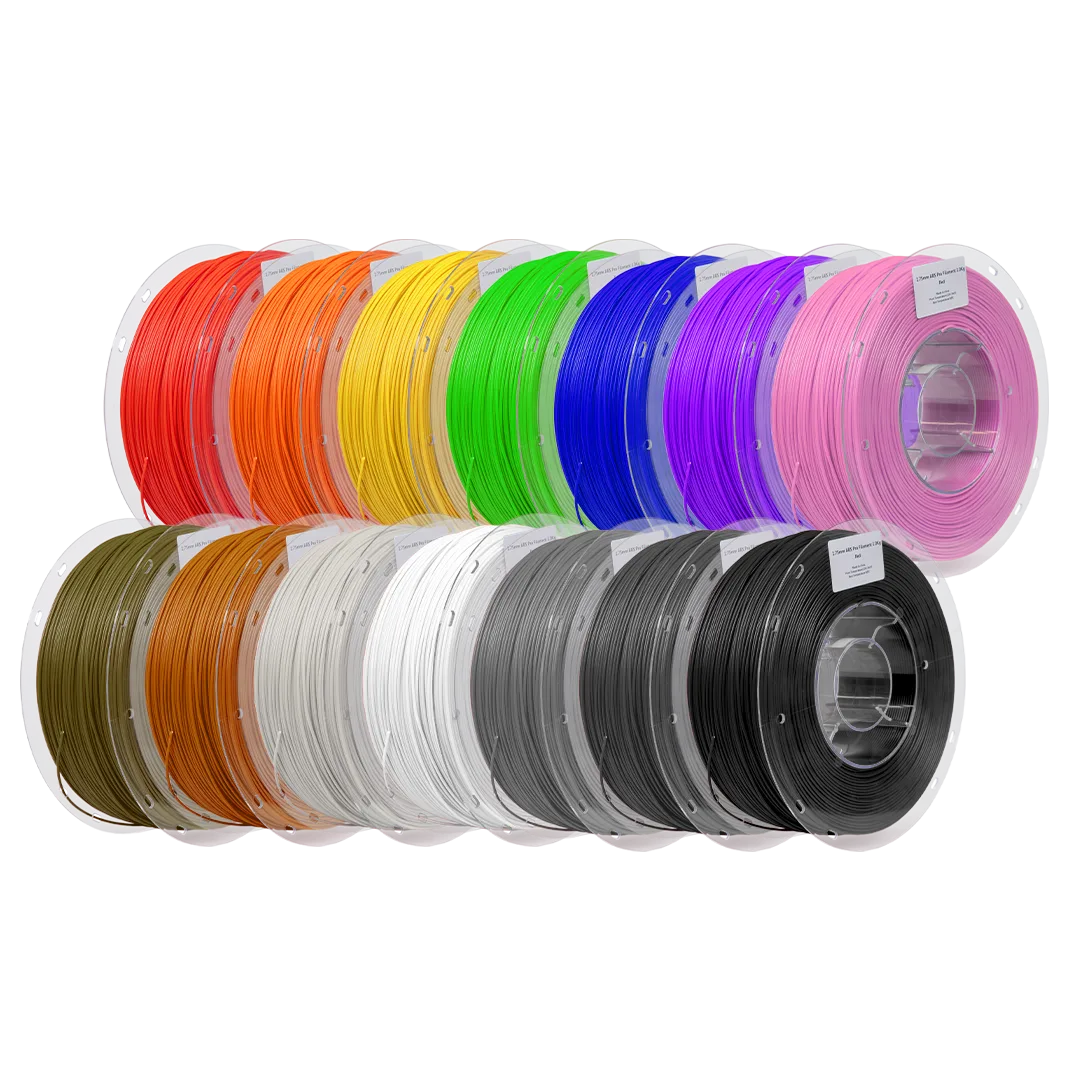
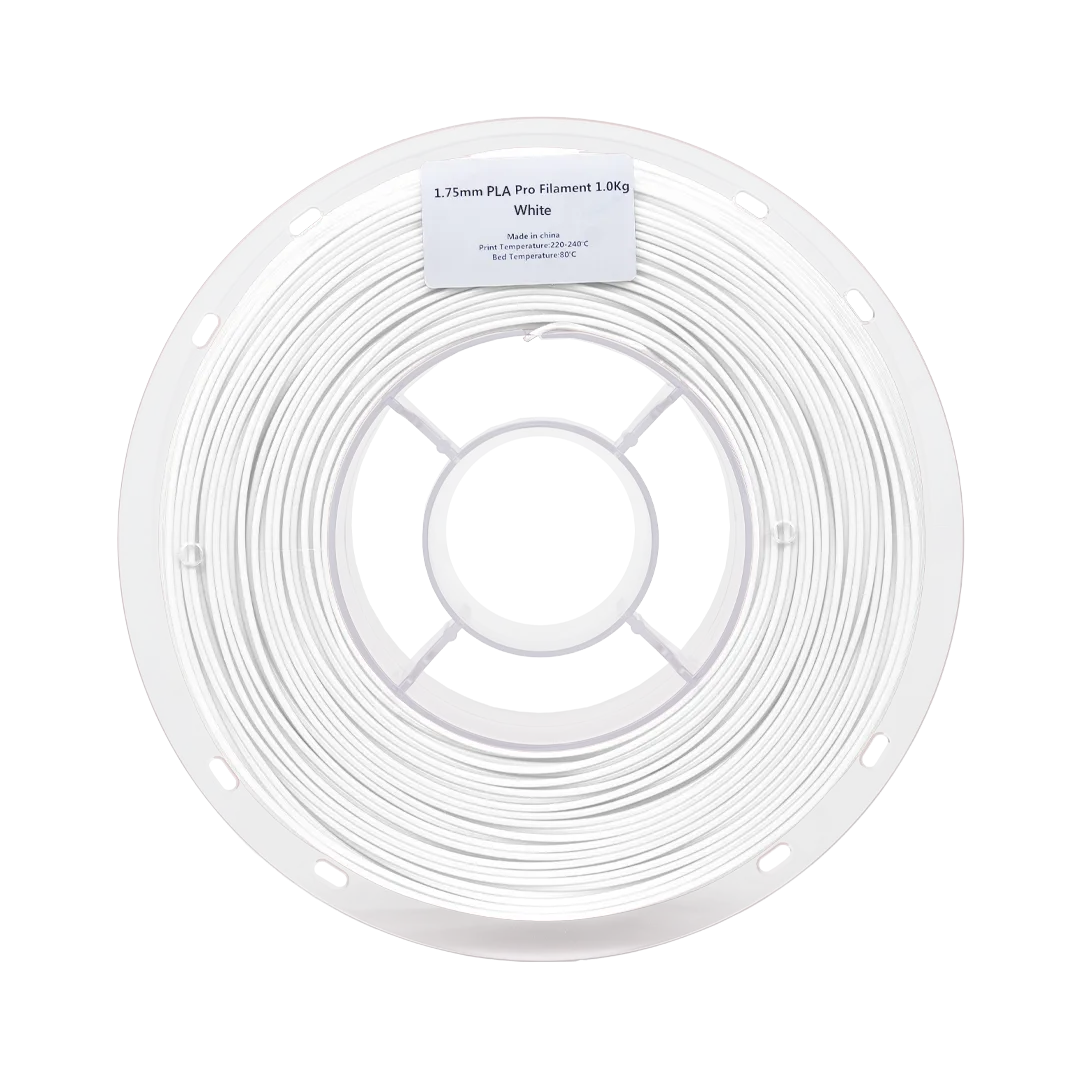
PETG Basic · 8 colours · 1.75 mm · 1 kg and 5 kg · 1.27 g/cm³
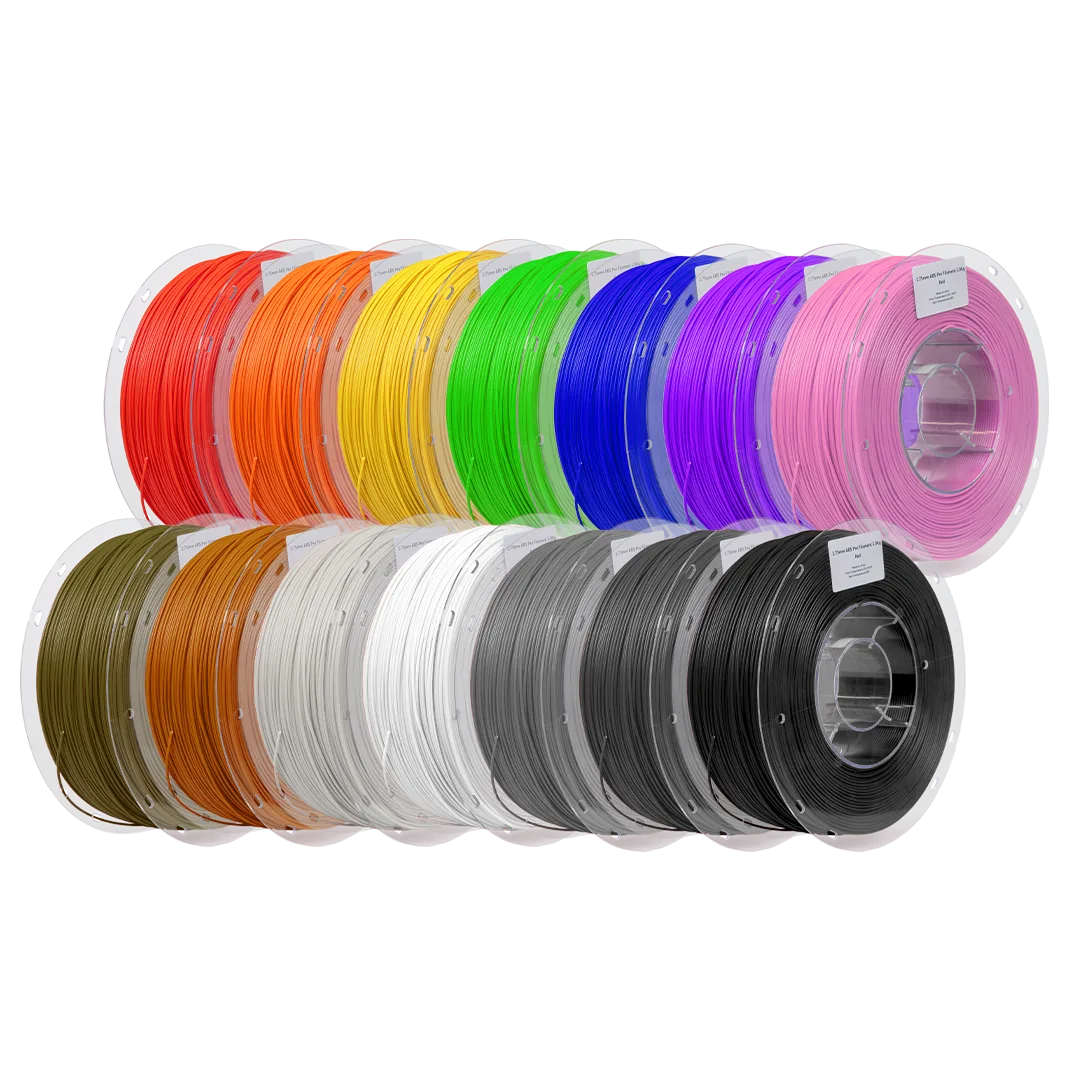
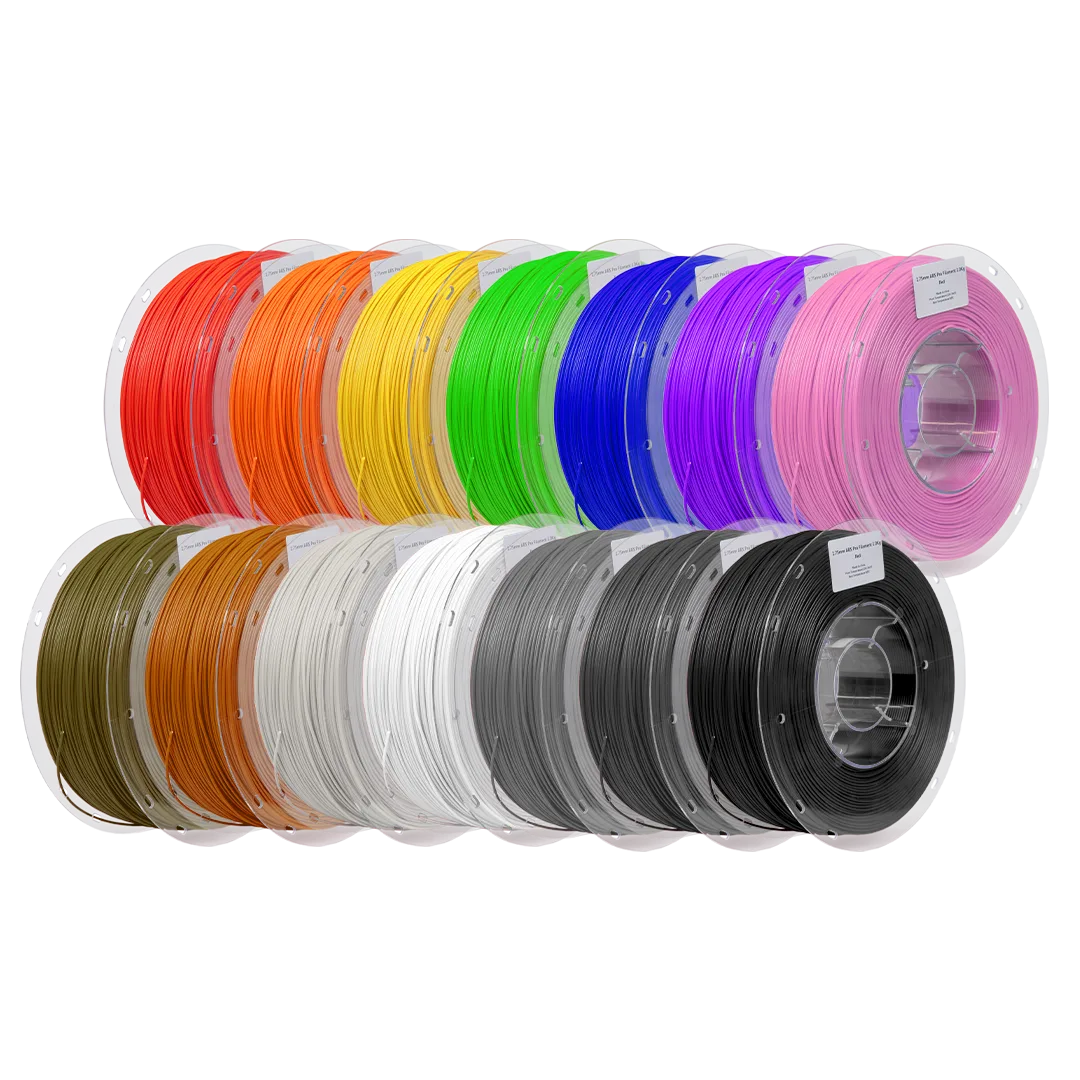
Print My Design PETG Basic Filament 1.75 mm 1 kg and 5 kg, available in 8 colours (Green, Black, White, Red, Yellow, Orange, Brown, Pink) on 1 kg and 5 kg spools. Pick a colour above — stock ships from our warehouse in Thailand.
PETG sits between PLA and ABS: nearly as easy to print as PLA, but tougher, and far better with heat and moisture. Good for load-bearing parts, outdoor use, housings, equipment cases, and anywhere you want a glossy or translucent finish.
PETG absorbs moisture faster than PLA. Wet filament pops while printing and leaves a hazy surface — keep it in a dry box with desiccant.
PETG is the middle option — tougher and more heat-tolerant than PLA, still far easier to print than ABS. Pick PLA when looks and fine detail matter most; pick ABS when the part has to survive car-interior heat.
A 1 kg spool at 1.27 g/cm³ works out at roughly 327 m of filament — enough to cost a part before you print it.
Dark colours such as black and navy hide layer lines best, so parts look finished without sanding. White and pale shades make the best base for painting. Saturated colours — red, orange, yellow — suit parts that must stand out or separate one batch from another. If a single build needs more than one spool, order them together: shade can shift slightly between production batches.
This is the PETG we reach for ourselves when a customer orders a part that has to take load or live outdoors, so we have watched it run on most of the machines on our shop floor before recommending it to anyone.
The Print My Design PETG Basic Filament 1.75 mm 1 kg and 5 kg costs from ฿485 including VAT at Print My Design. It is in stock; stock at each branch is shown on this page.
8 colours: Green, Black, White, Red, Yellow, Orange, Brown, Pink. Pick one above — anything out of stock is shown as such.
About 327 m on the 1 kg spool, from its net weight, 1.27 g/cm³ density and 1.75 mm diameter.
Any FDM printer that takes 1.75 mm filament.
It depends on your printer and print speed. Start from your printer maker’s recommendation for this material and adjust in 5 °C steps until surface finish and layer adhesion are both good.
Yes — and if one build needs more than one spool, order them together, because shade can shift slightly between production batches.
Yes, at True Digital Park, Seacon Bangkae or Central Sriracha, or we deliver nationwide.
PETG is tougher and more heat-resistant than PLA (usable to roughly 75–80 °C), with better chemical and moisture resistance, and it still prints on an open frame. The trade-offs are a glossier finish and more stringing between parts.
| Nozzle temperature | 230–250 °C |
|---|---|
| Bed temperature | 70–85 °C |
| Enclosure | Not needed |
| Drying | If it strings: 60–65 °C for 4–6 h |
Typical ranges for this material; the spool label and the printer profile are the authority.
Good for functional parts, enclosures, brackets, containers, anything that gets wet and short-term outdoor use. It is the material most makers reach for once PLA is not strong enough.
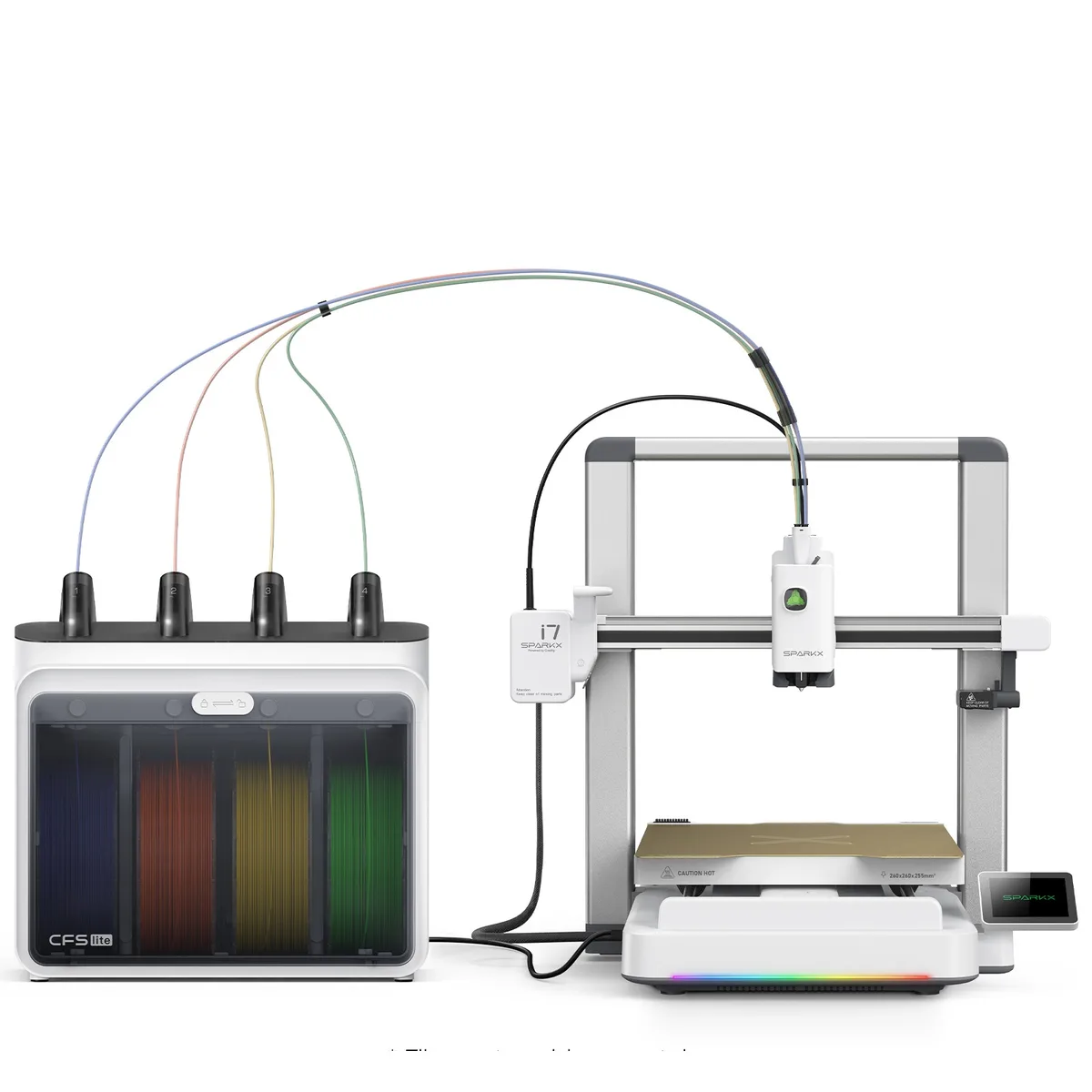
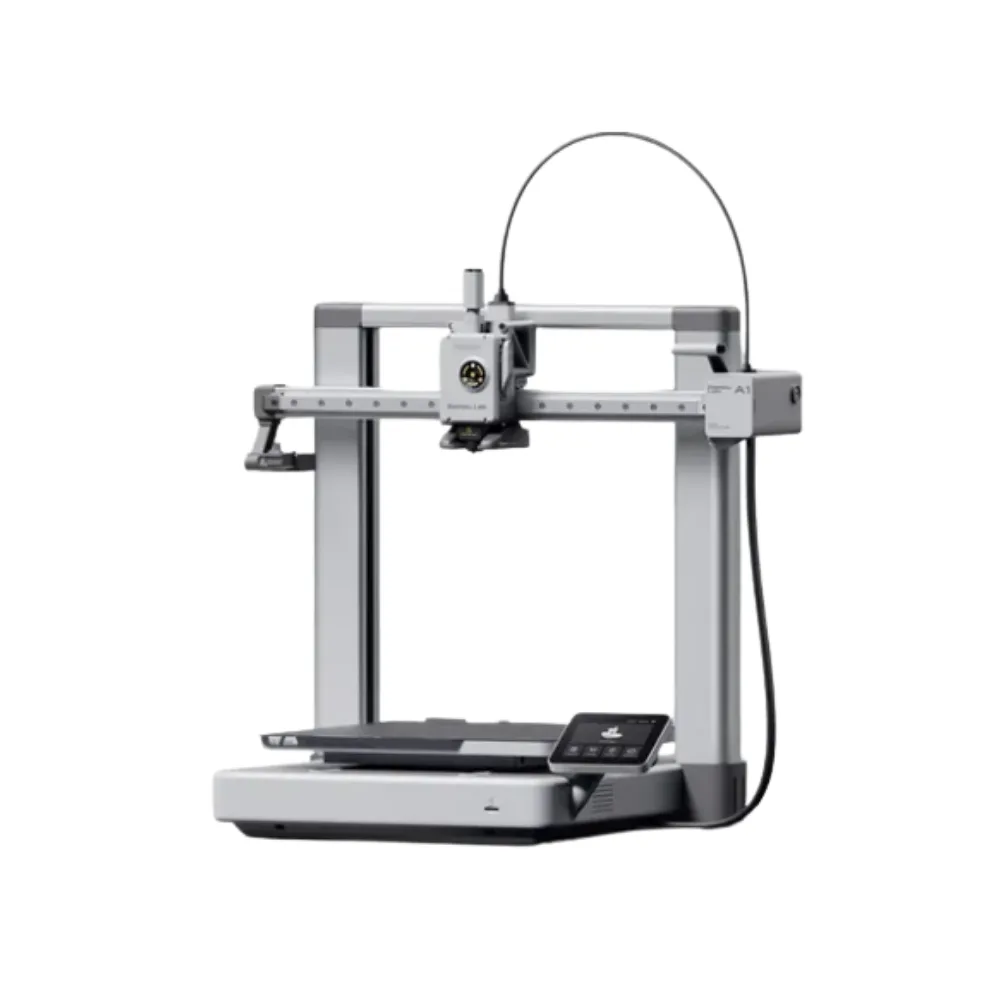
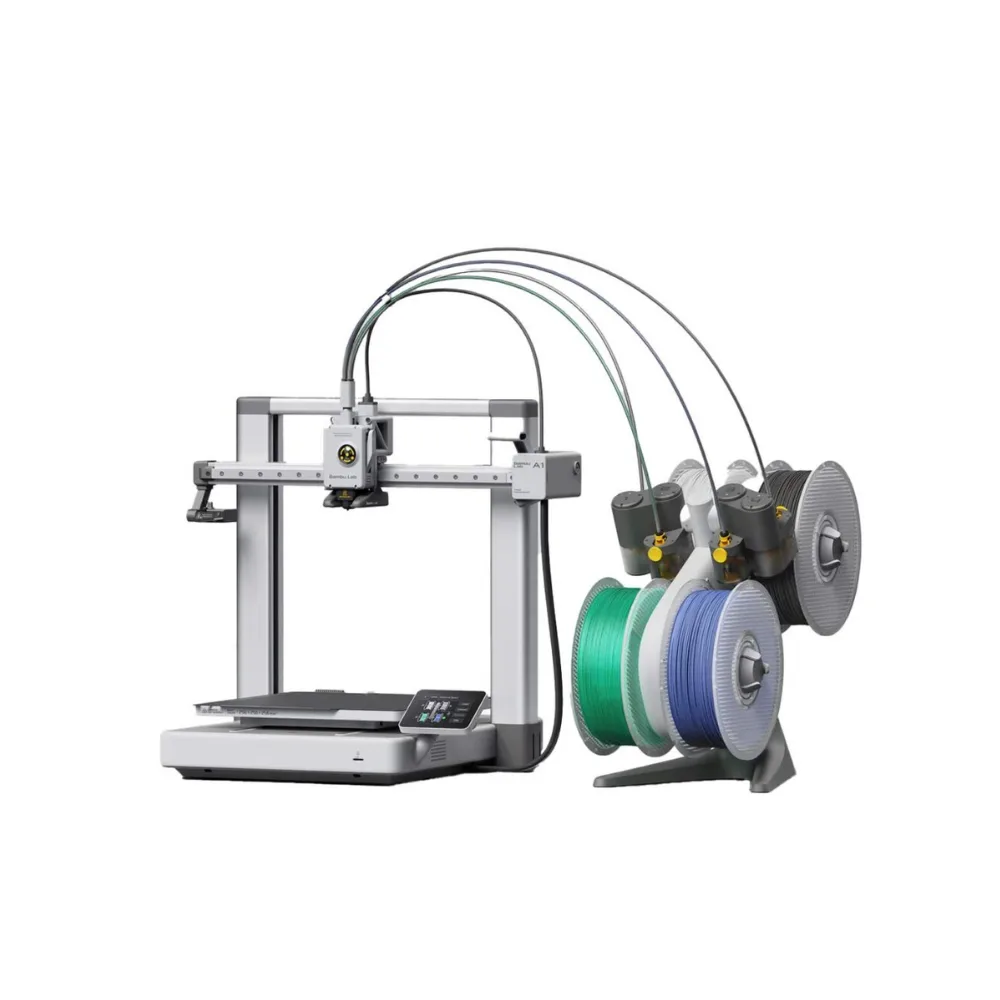
Prints on open-frame machines such as the Bambu Lab A1 mini / A1 and Creality SPARKX i7
PETG absorbs moisture faster than PLA. If stringing or rough surfaces appear, dry it at 60–65 °C for four to six hours and reduce part cooling so layers bond.